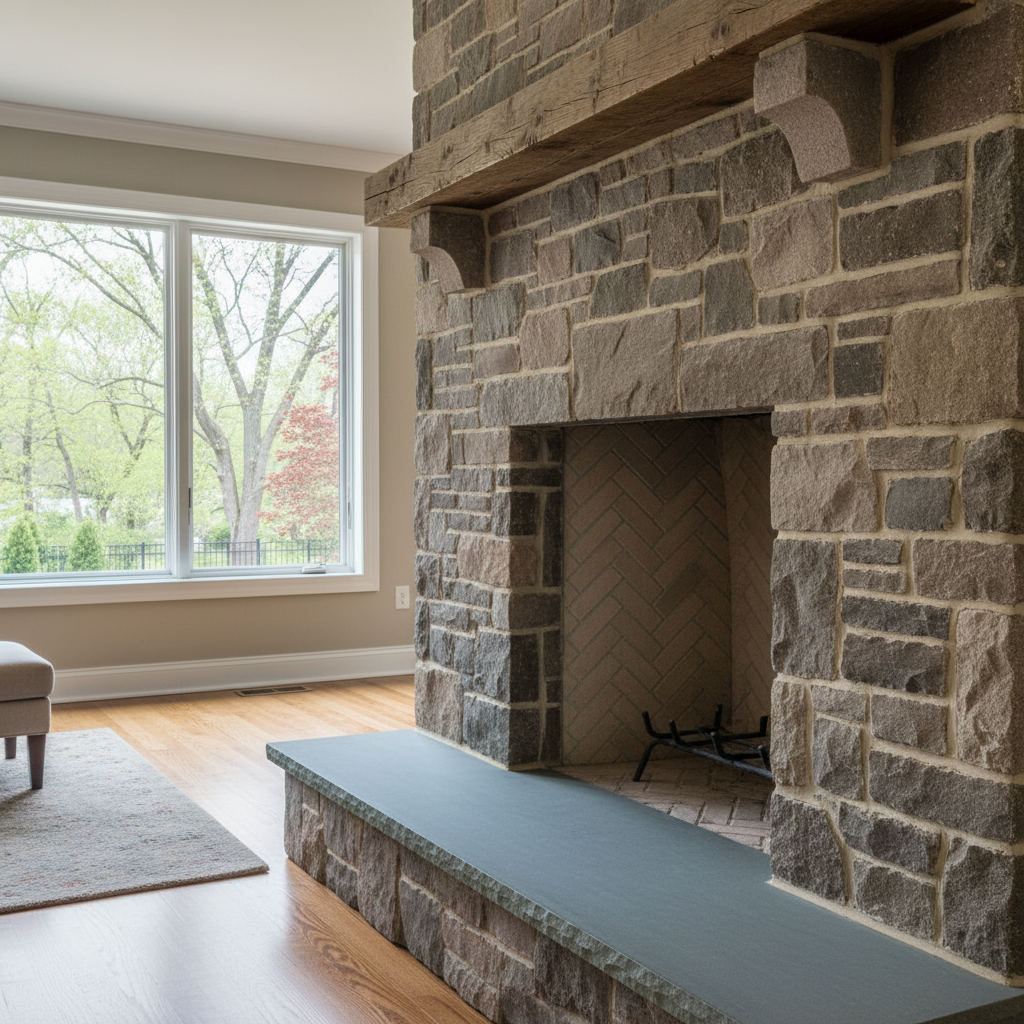
Can I add a fireplace to my existing home?
Absolutely, you can. It's one of the most common requests I get here in Needham. The big thing we need to figure out first is whether your home can structurally support it. A masonry fireplace, especially one built with brick and stone, is heavy – we're talking thousands of pounds. We'll need to check your foundation, floor joists, and attic space. Sometimes, we might need to reinforce things, add new footings, or build a support structure. It's not usually a deal-breaker, but it's the first hurdle. Then there's the chimney – if you don't have one, we'll build it from scratch, which means cutting through the roof and framing out the chase. It's a big project, no doubt, but totally doable for most homes. We'll also need to consider local building codes and permits, which I handle for my clients.
What's the difference between a masonry fireplace and a factory-built one?
This is a crucial question, and it boils down to how they're constructed and what they're made of. A masonry fireplace is built on-site, brick by brick (or stone by stone), with a mortar joint, a firebox, and a chimney. It's a permanent, heavy-duty structure that's designed to last for generations. Think of the classic, solid fireplaces you see in older homes around Needham, especially in the Broadmeadow or Bird's Hill areas. They retain heat well and have a certain charm and authenticity you just can't replicate.
A factory-built, or pre-fabricated, fireplace is a metal box, essentially. It's manufactured in a factory, then installed into a framed chase in your home. They're lighter, generally less expensive to install, and offer more flexibility in terms of placement since they don't require the same heavy structural support. They heat up faster but also cool down quicker. They're good for certain applications, but they're not built to the same standards of longevity or heat retention as a proper masonry unit. I specialize in masonry, because frankly, that's where the real craftsmanship and lasting value are.
How important is the chimney's condition for a new fireplace?
It's not just important, it's absolutely critical. The chimney is the engine of your fireplace. If you're adding a new fireplace, you'll need a new chimney that's properly sized and built to code. If you're connecting to an existing chimney, we need to do a thorough inspection. We're looking for cracks in the flue liner, damaged mortar joints, spalling bricks, or any obstructions. A damaged chimney can lead to smoke backing up into your home, carbon monoxide leaks, or even a house fire. We'll often recommend a new stainless steel liner, especially for older chimneys, to ensure proper drafting and safety. Don't ever skimp on chimney maintenance or construction; it's literally the exhaust system for your fire.
What kind of stone or brick is best for a fireplace?
That really depends on your style and what you're looking for in terms of durability and maintenance. For the firebox itself, we always use firebrick – it's designed to withstand extreme temperatures without cracking or spalling. For the exterior, or the hearth and surround, you've got lots of options. Natural stone like granite, limestone, or bluestone looks fantastic and is incredibly durable. Brick is a classic choice, offering a timeless look that fits perfectly with many New England homes. Reclaimed brick can add a lot of character too. Cast stone is another option; it's a manufactured product that can mimic natural stone at a lower cost. I always tell folks to pick something they love looking at, because it's going to be a focal point in their home for a long time. We can show you samples and talk through what works best with your home's existing aesthetic.
How long does a typical fireplace construction project take?
That's a tough one to give a single answer for, because it varies so much. Adding a brand new masonry fireplace and chimney from scratch is a significant undertaking. For a full build, from foundation to cap, you're usually looking at anywhere from 3 to 6 weeks, sometimes a bit longer depending on the complexity, weather, and material availability. If we're just rebuilding a firebox or doing a chimney repair, it's obviously much quicker, maybe a few days to a week. Permitting can add some time on the front end too. I always give my clients a clear timeline upfront once we've assessed the specific scope of work. We work efficiently, but we don't cut corners. Quality masonry takes time.
Are there any specific considerations for Needham homes?
Absolutely. One thing I've noticed working around Needham for years is the occasional challenge with our soil conditions, especially in some of the older neighborhoods or areas near wetlands. This can impact foundation work, which is critical for a heavy masonry fireplace. We always do our due diligence to make sure the footings are solid. Also, many of the older homes here have beautiful, original brickwork. When we're adding a new fireplace or chimney, we try our best to match existing materials and styles so the new work blends seamlessly with the old. We take pride in craftsmanship that respects the character of your home. All Star Masonry is committed to doing the job right, every time.
What kind of maintenance does a masonry fireplace need?
A well-built masonry fireplace is pretty low maintenance, but it's not zero maintenance. The biggest thing is regular chimney cleaning and inspection. I recommend having your chimney swept at least once a year, especially if you use your fireplace frequently. This removes creosote buildup, which is highly flammable and can cause chimney fires. We'll also check the flue liner, mortar joints, and the chimney cap for any damage. Beyond that, just keep an eye on the firebox itself for any cracks in the firebrick or mortar. If you see anything concerning, give me a call. Addressing small issues early prevents bigger, more expensive problems down the road. It's like anything else – a little preventative care goes a long way.